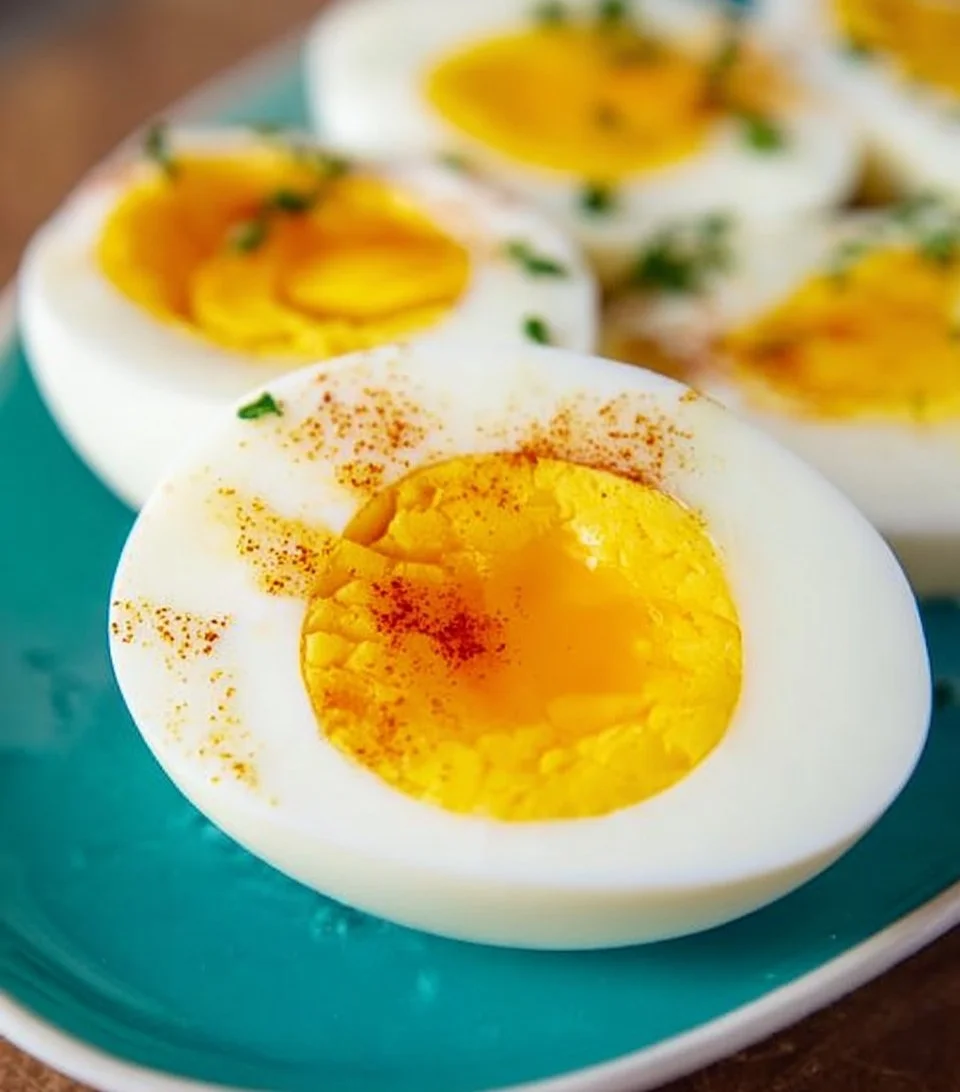
The simple act of cracking open a perfectly hard-boiled egg unveils a treasure trove of creamy, rich yolk nestled within a tender yet firm white. The very essence of comfort, these eggs have an unassuming elegance that captivates the senses with their subtle aroma and inviting appearance. When cooked to perfection, they sport a soft sheen, almost shimmering in the light—a promise of the deliciousness that awaits. From the first bite, their buttery softness melts in the mouth, while the bite of the whites offers a slight resistance, a gentle reminder of the artistry behind this timeless preparation.
As you savor the delicately balanced flavors of your hard-boiled egg, you might find them making their way into your favorite dishes. Picture a vibrant salad adorned with slices of egg, or a hearty breakfast spread that features a deviled egg or two. The beauty of hard-boiled eggs lies in their versatility; they seamlessly transition from breakfast staple to lunch companion, or even a midnight snack. Whichever way you indulge, the richness of their flavor and the satisfaction of their texture provide a culinary experience that nourishes both body and soul.
Why You’ll Love This Hard Boiled Eggs Recipe
Hard-boiled eggs represent one of the most gratifying culinary achievements one can master in the kitchen. Simple yet sophisticated, they pack a punch when it comes to nutrition and taste. Rich in protein, vitamins, and healthy fats, these eggs make a delightful addition to any meal, serving not only as an ingredient but as a star. You’ll appreciate their versatility—hard-boiled eggs can stand alone seasoned only with a sprinkle of salt and pepper, or they can play the supporting role in a broader feast, enhancing salads, grain bowls, or breakfast platters with a pop of wholesome goodness.
Whether you’re preparing for a picnic, whipping up a quick breakfast, or crafting a glorious Easter egg, this hard-boiled eggs recipe transcends occasions. They simplify meal prep with ease while offering a dose of hearty sustenance. With this straightforward method, you can produce eggs that boast a perfect, creamy yolk every single time—guaranteeing smiles and full bellies at your table.
Preparation Phase & Tools to Use
Creating flawless hard-boiled eggs at home requires just a few essential tools, each playing a vital role in the process:
-
A Sturdy Saucepan: A heavy-based pot ensures even heating, allowing the eggs to cook uniformly. Opt for a size that accommodates the number of eggs you’re cooking without crowding them.
-
A Heat-Resistant Lid: Keeping it handy lets you trap heat effectively during cooking, making the hard-boiling process smoother and more efficient.
-
A Slotted Spoon: This handy tool helps you transfer the eggs safely, minimizing any risk of cracking or burning.
-
Ice Bath Setup: Prepare a bowl filled with ice and cold water. This will be indispensable for halting the cooking process, ensuring perfect consistency while making peeling a breeze.
With these tools in hand, you’re well-equipped to embark on a culinary adventure that’s as rewarding as it is delicious.
Ingredients for Hard Boiled Eggs
-
Eggs: The star of the show! Fresh, large eggs yield the best results. For unique flavors or dietary needs, explore organic, cage-free, or even quail eggs.
-
Water: Just enough to cover your eggs by an inch. Use cool tap water, and as the water heats, it prepares to envelop your eggs in gentle warmth.
-
Ice: An ice bath, composed of crushed or cubed ice and cold water, is essential for halting the cooking process, sealing in that delectable creaminess.
How to Make Hard Boiled Eggs
-
Place Eggs in a Pot: Carefully arrange the eggs in a single layer at the bottom of your pot, and cover them with cold water, ensuring they are submerged by at least an inch.
-
Bring the Water to a Boil: Set the pot over medium-high heat and let it come to a rolling boil—watching the bubbles dance is part of the fun!
-
Cover the Pot and Remove from Heat: As soon as the water boils, introduce the cover and promptly take the pot off the heat. This step allows steam to create a gentle cooking environment.
-
Let It Sit: Depending on your desired consistency, let the eggs sit for 9 to 12 minutes. For slightly softer yolks, lean towards the lesser timeframe, while a longer duration delivers a firmer yolk.
-
Transfer Eggs to an Ice Bath: Using a slotted spoon, gently move the eggs into the prepared ice bath. Let them cool for 5-10 minutes, allowing the shock of cold to ease peeling.
-
Peel and Enjoy: Once cooled, tap each egg gently against a hard surface to crack the shell and peel under running water, if necessary, for the smoothest results. Enjoy plain, or get creative with seasoning!
Chef’s Notes & Helpful Tips
-
Make-Ahead Tips: Prepare hard-boiled eggs in advance for quick lunches or snacks—just store them in their shells in the fridge for up to one week.
-
Cooking Alternatives: Want to explore beyond the stovetop? Consider the air fryer or oven methods for boiling your eggs. For the air fryer, set the temperature to 270°F and cook for about 15-17 minutes, then follow the same ice bath cooling method. The oven method incorporates baking the eggs at 325°F for 30 minutes, ensuring they’re consistently soft and creamy.
-
Customization Ideas: Try seasoning your eggs with smoked paprika, sriracha, or different herbs. A dash of dill or a sprinkle of everything bagel seasoning can elevate your taste experience.
Common Mistakes to Avoid
-
Starting in Boiling Water: Avoid placing eggs directly into boiling water. This may result in cracking and uneven cooking. Always begin with cold water for even results.
-
Overcooking: Leaving the eggs in hot water for too long can create an undesirable green ring around the yolk and a rubbery texture. Time it carefully for the best results!
-
Skipping the Ice Bath: Neglecting the ice bath can make peeling a frustrating chore. Make sure to cool the eggs quickly for tender peeling.
What to Serve With Hard Boiled Eggs
-
Salads: Slice them atop a garden salad for a protein-packed boost or toss them in a quinoa bowl for extra texture.
-
Toast: Pair them with whole-grain or rye toast smeared with avocado for a wholesome breakfast.
-
Deviled Eggs: Take your hard-boiled eggs to the next level by transforming them into a crowd-favorite appetizer.
-
Curries: Nestle whole hard-boiled eggs in a fragrant curry to experience flavor fusion like no other.
-
Soups: Add them to Asian-inspired dishes or creamy potato soups, enriching each spoonful with their luscious yolk.
-
Snacks: Sprinkle with salt, pepper, or hot sauce for a delightful and nutritious snack when hunger strikes.
-
Bowl Meals: Layer them in any grain or vegetable bowl for a hearty, filling experience that packs a nutrient punch.
-
Pickled Eggs: Save a batch and try pickling them in vinegar, spices, and beet juice for a beautiful and tangy treat.
Storage & Reheating Instructions
Store hard-boiled eggs in their shells in the refrigerator, where they can stay fresh for up to one week. If you’ve peeled them, keep them in a sealed container submerged in water to prevent them from drying out. They should be consumed within a few days for the best flavor and texture.
For reheating, you can place the eggs in a microwave-safe bowl filled with warm water for a short while. Alternatively, you can enjoy them cold as a snack or in salads.
Estimated Nutrition Information
Approximate values per large egg:
- Calories: 70
- Protein: 6g
- Fat: 5g
- Carbohydrates: 1g
- Cholesterol: 186mg
(Disclaimer: Nutrition values may vary based on the size and method of preparation.)
FAQs
1. Can I hard-boil eggs that are not fresh?
Yes, older eggs are easier to peel after boiling. However, the quality may not be as high. Fresh eggs tend to result in a creamier texture but may be slightly more challenging to peel.
2. Why is my yolk turning green?
This discoloration occurs when eggs are overcooked. To prevent this, follow timing closely and always place eggs in an ice bath immediately after cooking.
3. What’s the best way to peel a hard-boiled egg?
Peeling under running water can help loosen the shell and provide a smoother peeling experience. Gently tapping the egg’s surface can also allow cracks to form, facilitating easier peeling.
4. Can I freeze hard-boiled eggs?
While you can freeze egg whites, it’s best to avoid freezing whole hard-boiled eggs, as their texture and taste can be significantly affected. If freezing is necessary, remove the yolks from the whites before storing.
5. What’s the optimal cooking time for varying egg sizes?
Cooking time can slightly vary. For extra-large eggs, aim for 10-12 minutes; for medium eggs, 8-10 minutes should suffice. Experiment a little to find your ideal doneness.
Conclusion
In the grand tapestry of culinary delights, hard-boiled eggs carve out a quintessential place with their rich, comforting charm. With just a few simple steps, you can create these delectable gems that celebrate simplicity while offering endless versatility in the kitchen. So why wait? Gather your eggs, prepare your tools, and let this soon-to-be favorite recipe bring warmth and satisfaction to your table! Embrace this classic method today, and enjoy the mouthwatering satisfaction that comes with a job well done—because hard-boiled eggs are more than just a food; they are an experience waiting to be savored.
Print
Hard Boiled Eggs
- Prep Time: 5 minutes
- Cook Time: 12 minutes
- Total Time: 17 minutes
- Yield: 6 servings
- Category: Snacks
- Method: Boiling
- Cuisine: American
- Diet: Vegetarian
Description
Perfectly hard-boiled eggs offer creamy yolks and tender whites, making them a versatile addition to any meal.
Ingredients
- Fresh large eggs
- Water (enough to cover eggs by an inch)
- Ice (for ice bath)
Instructions
- Place eggs in a pot and cover with cold water.
- Bring water to a boil over medium-high heat.
- Cover the pot and remove from heat once boiling.
- Let eggs sit for 9 to 12 minutes for desired doneness.
- Transfer eggs to an ice bath for 5-10 minutes.
- Peel eggs under running water if necessary.
Notes
Store hard-boiled eggs in their shells in the fridge for up to one week.
Nutrition
- Serving Size: 1 egg
- Calories: 70
- Sugar: 0g
- Sodium: 70mg
- Fat: 5g
- Saturated Fat: 1.5g
- Unsaturated Fat: 3g
- Trans Fat: 0g
- Carbohydrates: 1g
- Fiber: 0g
- Protein: 6g
- Cholesterol: 186mg